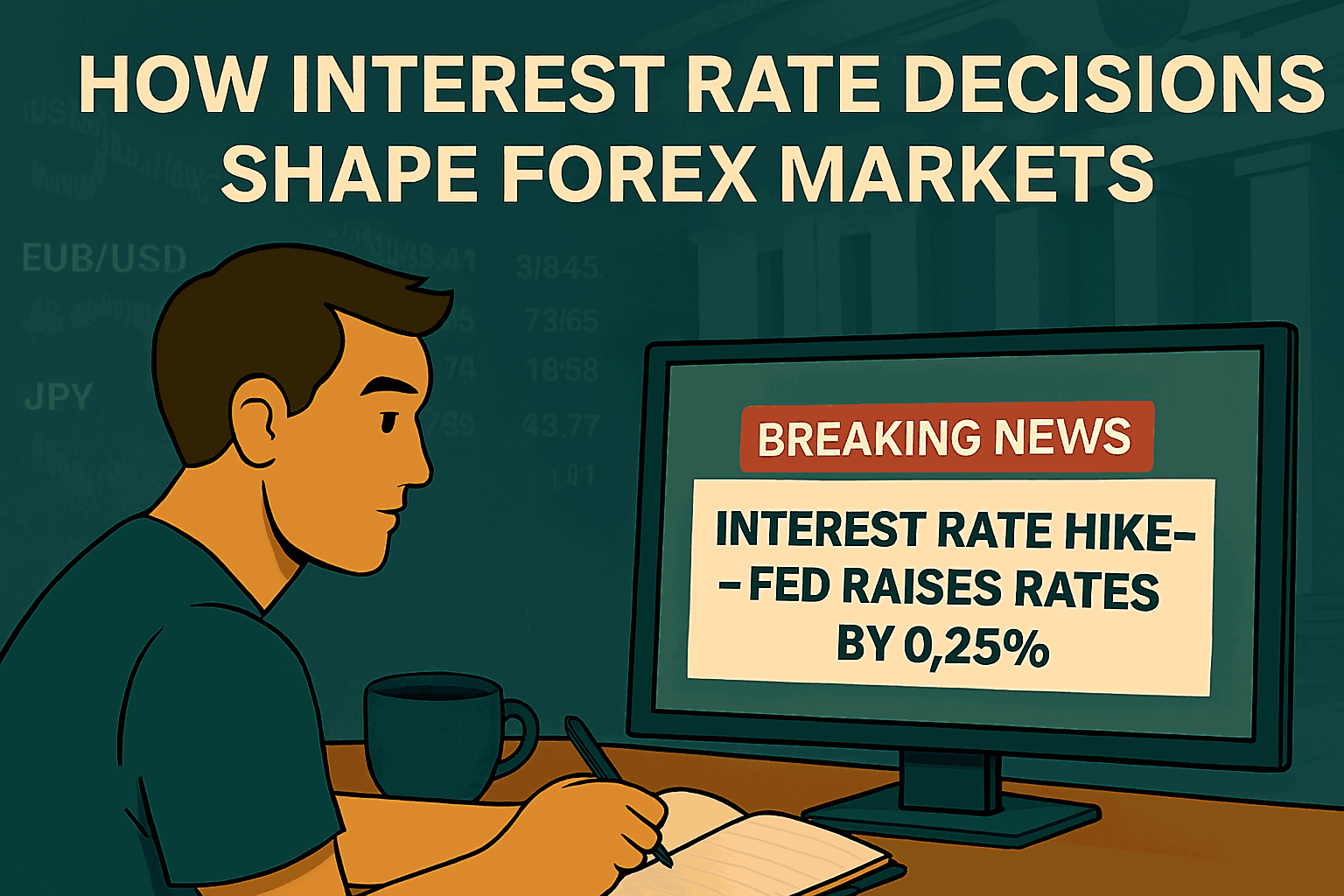
🧠 Introduction: The Central Bank Effect
If there’s one thing that can send shockwaves through the forex market within seconds, it’s a central bank interest rate decision.
Why? Because interest rates are the foundation of a currency’s value. They affect borrowing, inflation, investments and most importantly for traders currency demand. Whether it’s the Federal Reserve, ECB, or Bank of Japan, rate decisions give a clear signal of a country’s economic health and future direction.
In this guide, you’ll learn how to interpret interest rate changes, anticipate market reactions, and position your trades accordingly.
📊 Why Interest Rates Matter in Forex
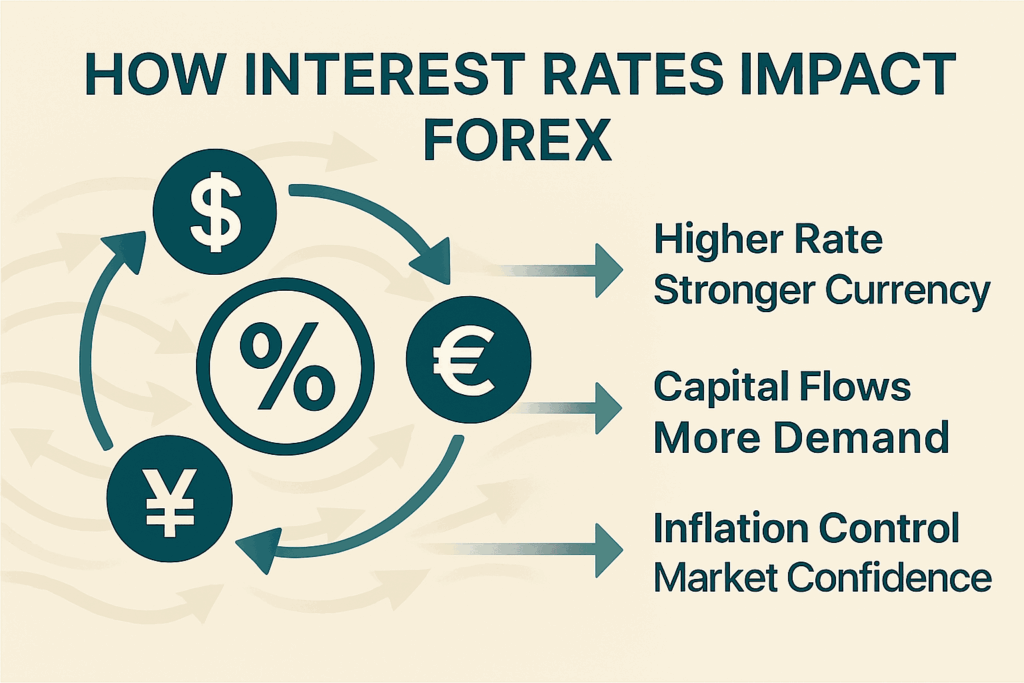
Interest rates determine the yield you earn or pay when holding a currency. The higher the rate, the more attractive that currency becomes for investors especially in carry trades or when seeking safe havens.
A change in interest rates impacts:
- Currency demand (higher rates = stronger currency)
- Capital flows (money moves to where returns are higher)
- Inflation and economic growth expectations
- Volatility during and after announcements
Understanding this dynamic gives you an edge when trading news or positioning ahead of policy events.
🏦 Who Sets Interest Rates?
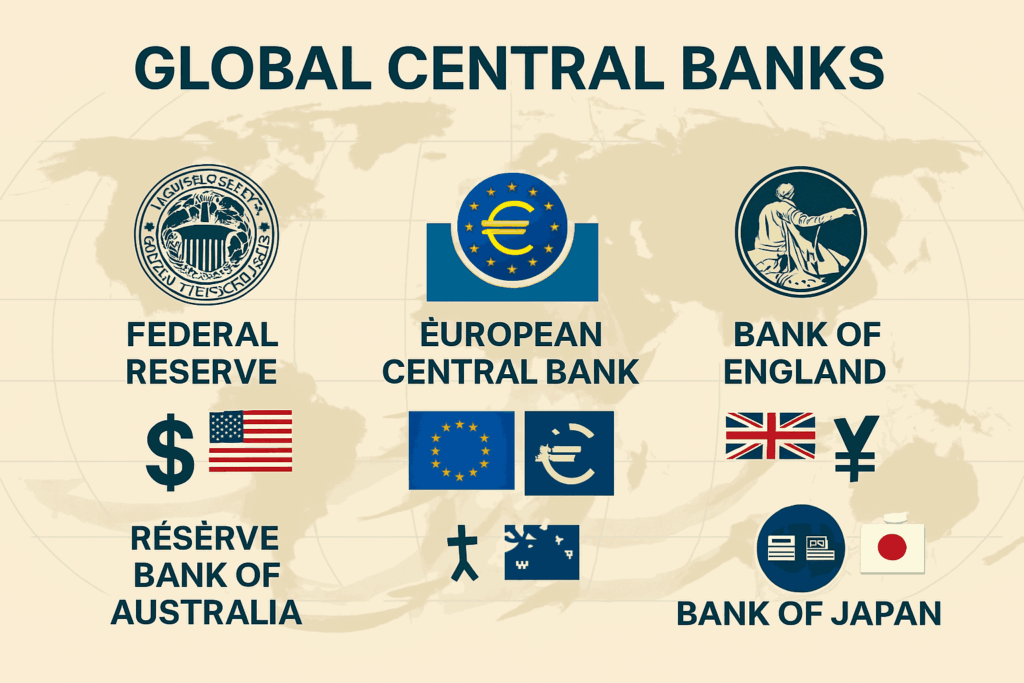
Central banks set the benchmark interest rate to manage:
- Inflation
- Employment
- Economic growth
Major examples:
- Federal Reserve (USD)
- European Central Bank (EUR)
- Bank of England (GBP)
- Bank of Japan (JPY)
- Reserve Bank of Australia (AUD)
Each central bank meets periodically (e.g., monthly or quarterly) to assess economic conditions and adjust policy.
🔄 Types of Interest Rate Actions
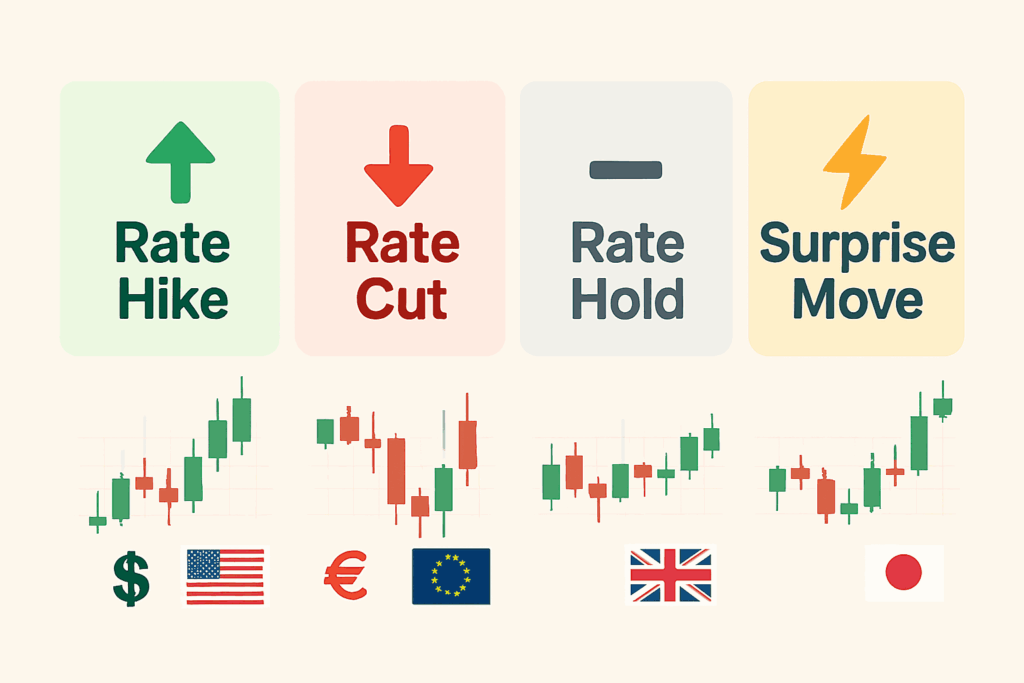
- Rate Hike (Increase):
Signals strong economy or inflation control. Typically bullish for the currency. - Rate Cut (Decrease):
Indicates slowing economy or effort to stimulate growth. Often bearish for the currency. - Rate Hold (No Change):
Not always neutral it depends on the tone of the central bank’s statement and forward guidance. - Unexpected Decisions:
Surprise rate changes or contradictory signals (e.g., dovish hike or hawkish cut) lead to sharp volatility.
📘 Real-World Example: USD and the Federal Reserve
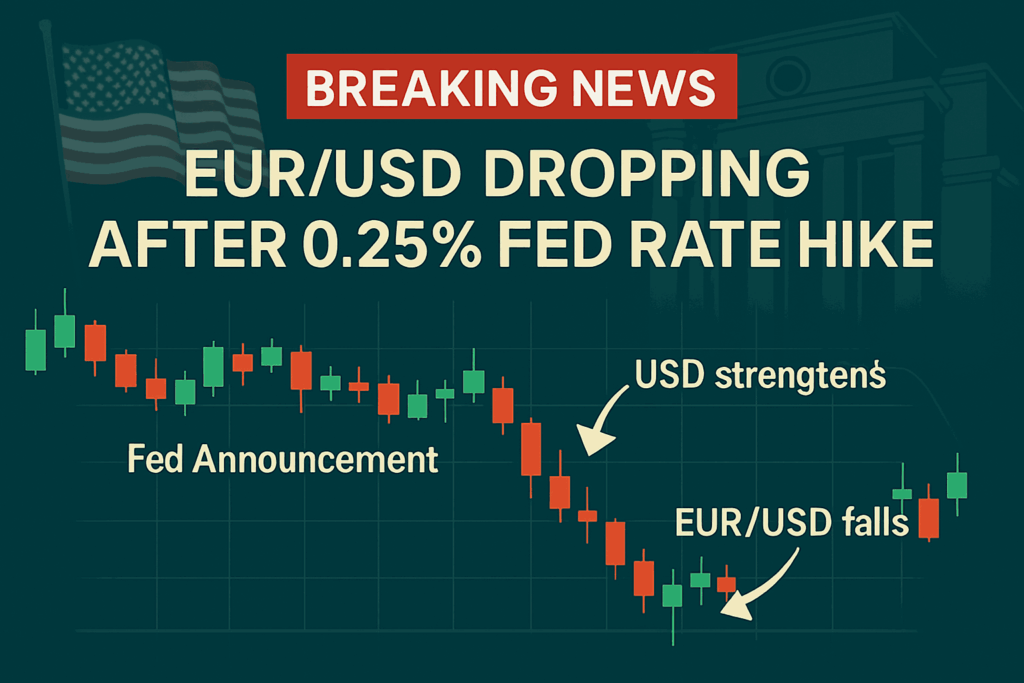
Let’s say the U.S. inflation rate is rising rapidly, and the Fed raises interest rates by 0.25%. As a result:
- USD strengthens across the board
- EUR/USD drops due to USD demand
- Gold and stock indices may fall as borrowing costs increase
- Traders favor USD in the short to medium term
This kind of rate-driven reaction is textbook forex movement based on fundamentals.
🛠 How Traders Prepare for Rate Decisions
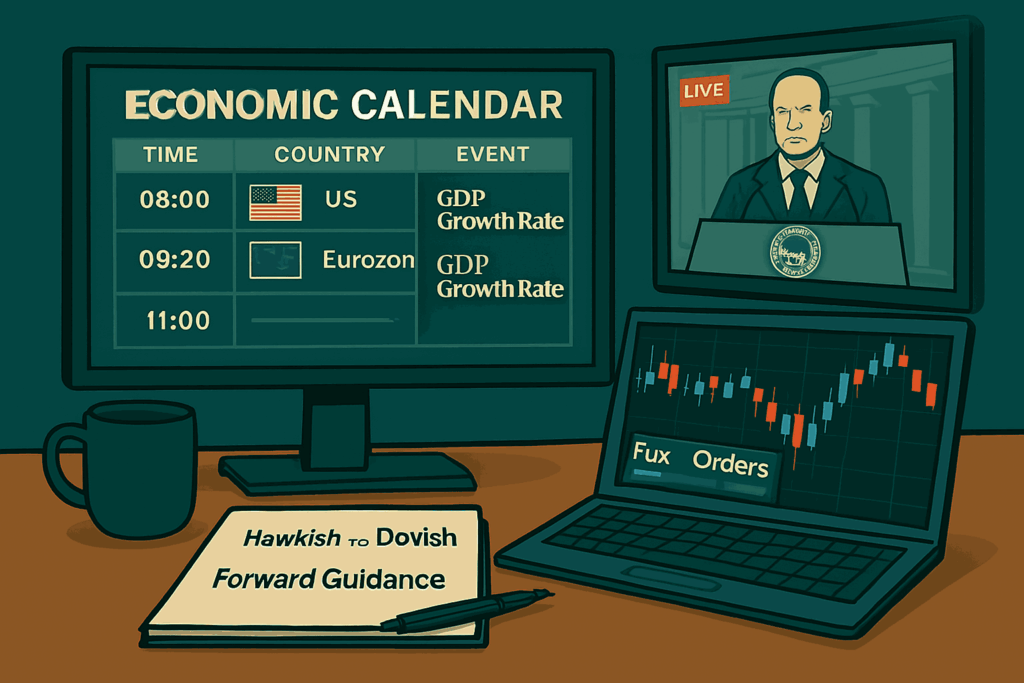
- Monitor economic calendars (e.g., FOMC, ECB pressers)
- Analyze central bank tone and language (hawkish vs. dovish)
- Watch forward guidance (what they plan to do next)
- Use options markets and interest rate futures to gauge expectations
- Position ahead with protective stop-losses or use event-driven strategies
⚠️ Volatility Tip: Expect Whipsaws
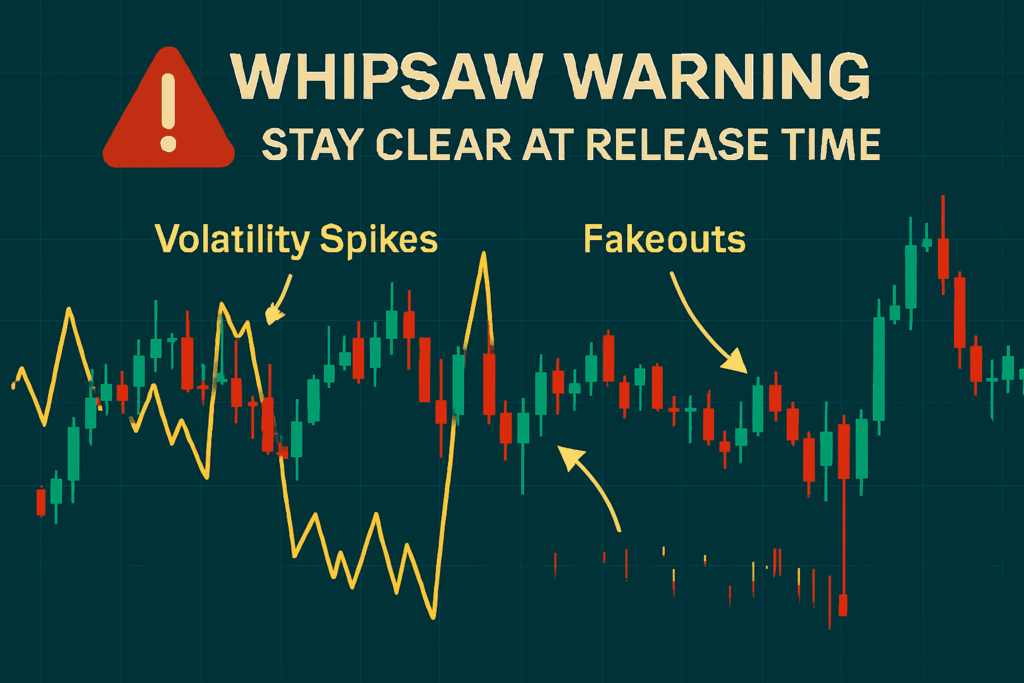
Interest rate decisions often cause:
- Massive spreads
- Stop hunts
- Fakeouts before the real move
Unless you’re an experienced news trader, consider waiting for the dust to settle before entering post-announcement trades.
🧭 Final Thoughts

Interest rate decisions are the heartbeat of the forex market. They move trillions in a flash and offer sharp, directional opportunities if you’re prepared.
By learning how to read interest rate changes in the context of inflation, growth, and global events, you’ll stop reacting late and start anticipating early just like the pros.