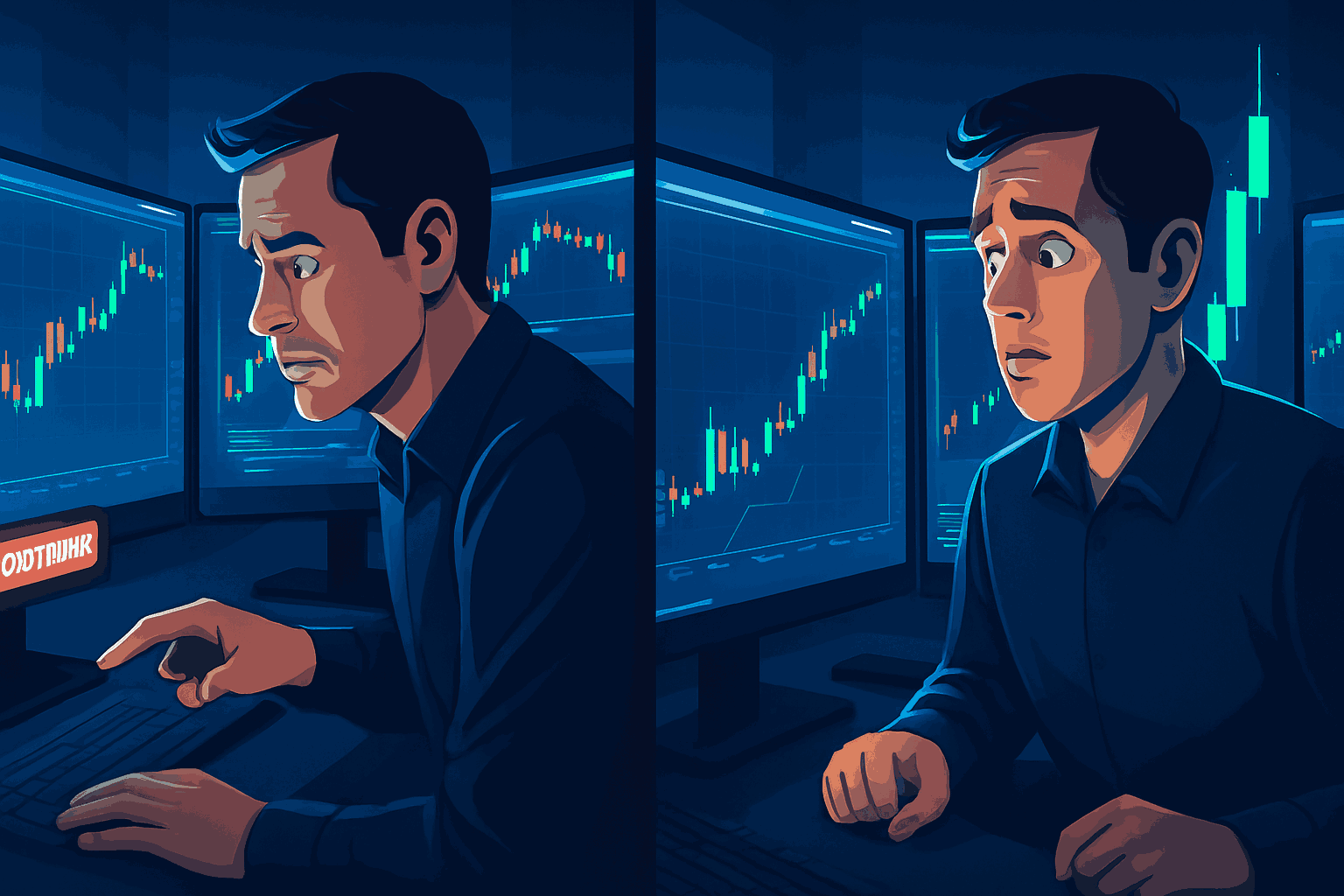
🧠 Introduction: The Internal Battle Every Trader Faces
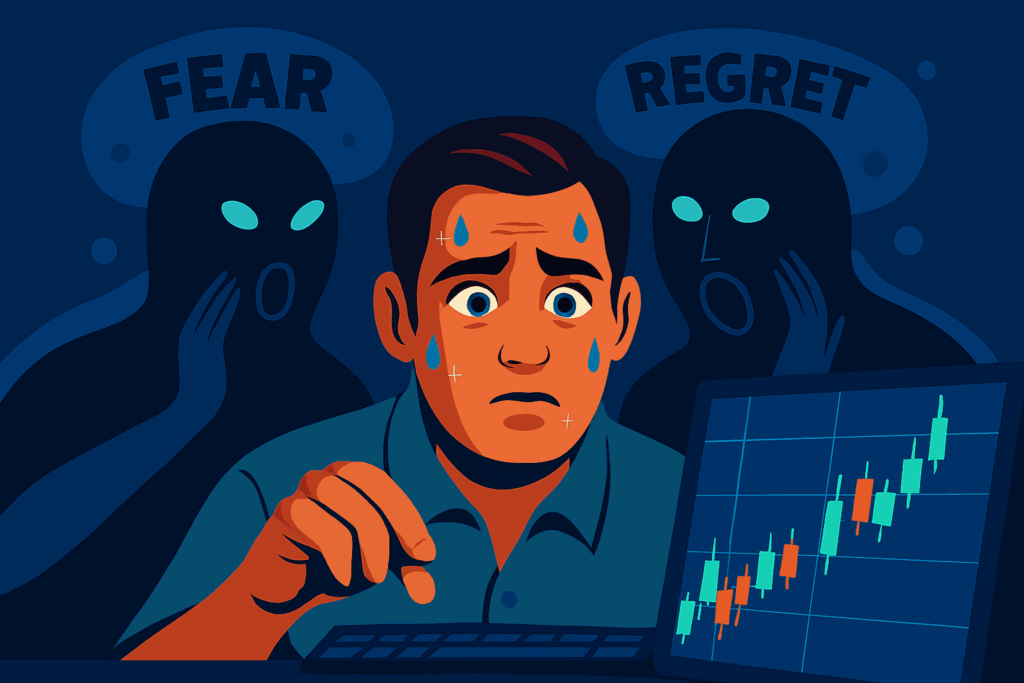
You enter a great trade. It starts moving in your favor. Your heart races. You watch the P&L tick up. Then the voice in your head says: “Take it now… just book the profit.” Moments like this reveal the true psychology of holding vs exiting too soon, where emotion pushes you to act before your strategy does.
So you do.
Minutes later? Price surges another 80 pips in your original direction and you’re stuck watching from the sidelines, angry and confused.
Welcome to one of the most common psychological struggles in trading: the fear of holding vs. the regret of exiting too soon.
In this article, we’ll unpack why it happens, the mental traps behind it, and how to develop the mindset to hold your winners longer and exit with purpose not panic.
🔍 Why We Exit Too Soon: The Brain’s Default Setting
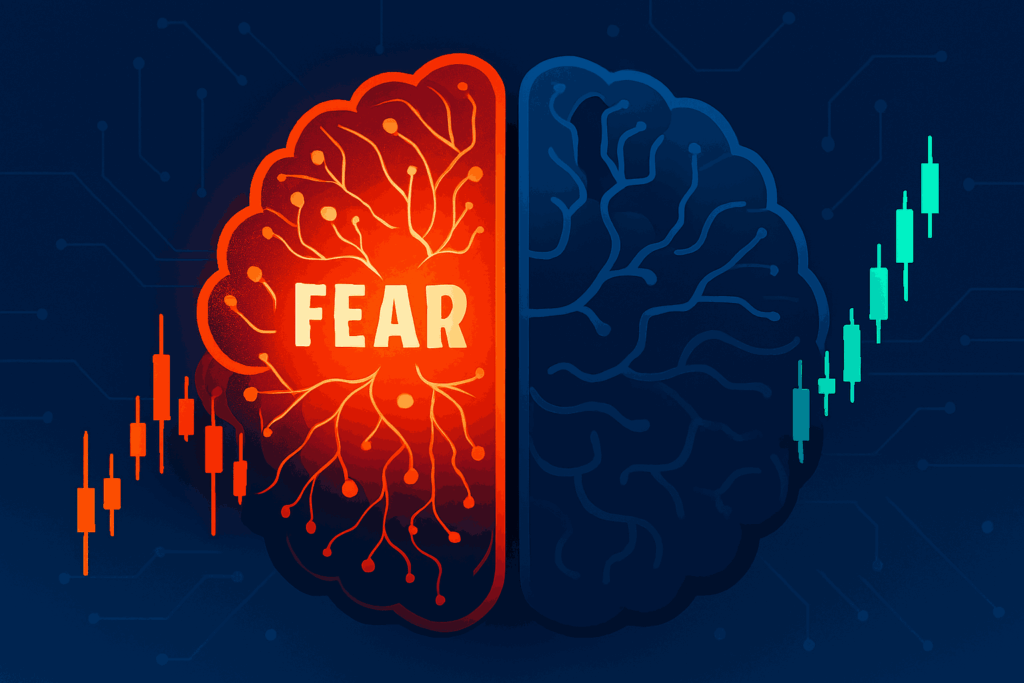
Your brain is wired to avoid pain and lock in gains. This primal instinct helped ancient humans survive but in modern trading, it works against you.
Here’s what usually triggers early exits:
- Fear of giving profits back
- Past trauma from trades that reversed on you
- Need for instant gratification
- Watching your P&L tick-by-tick, fueling anxiety
- Lack of trust in your setup or strategy
The irony? These emotional reactions often sabotage your best trades ,the ones that had the potential to make your month.
💡 Holding Isn’t About Hope – It’s About Conviction
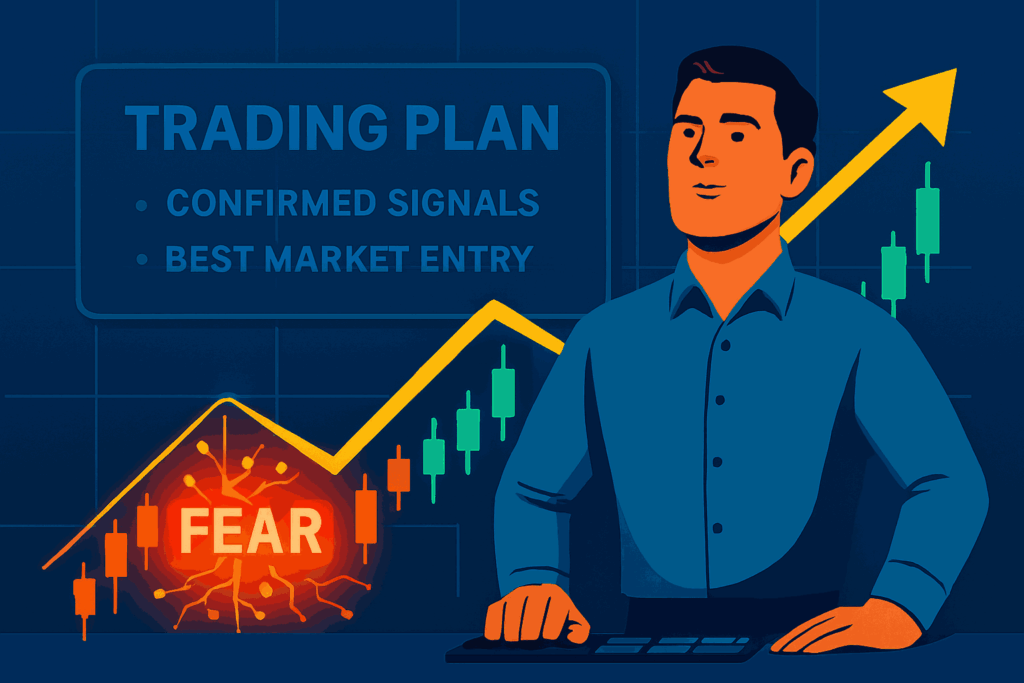
Many traders confuse “holding” with being stubborn or greedy. But holding a position longer isn’t emotional, it’s disciplined.
You should only hold a trade when:
- The original technical and fundamental reason for entry is still valid
- Price hasn’t violated your structure, stop, or thesis
- The trade is moving in your direction and hasn’t reached your target yet
Holding is not about hope, it’s about having confidence in your system and following through.
🛑 The Hidden Costs of Exiting Early
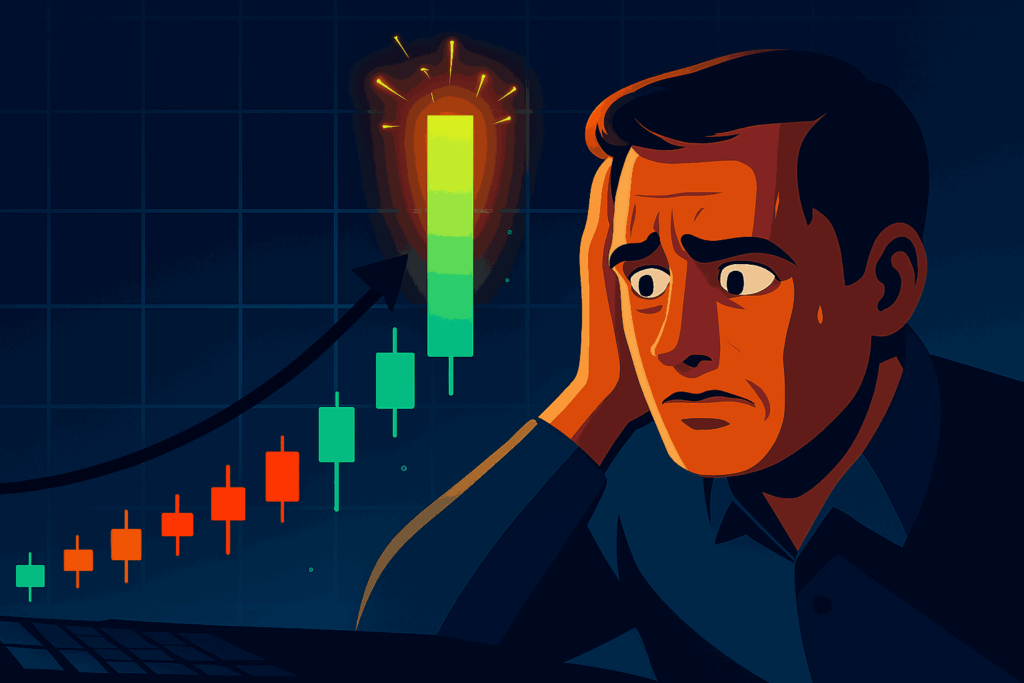
It may feel good to take profits fast, but here’s what it actually costs you:
- Missed opportunity on big moves (which are rare)
- Poor risk-to-reward ratios that drag your edge down
- Overtrading as you chase setups to make up for missed gains
- Frustration and revenge trading that stems from self-doubt
Even worse? Your psychology begins to associate success with quick exits, reinforcing a bad habit that keeps you stuck in mediocrity.
🔁 The Mindset Shift: Think in Batches, Not Just One Trade
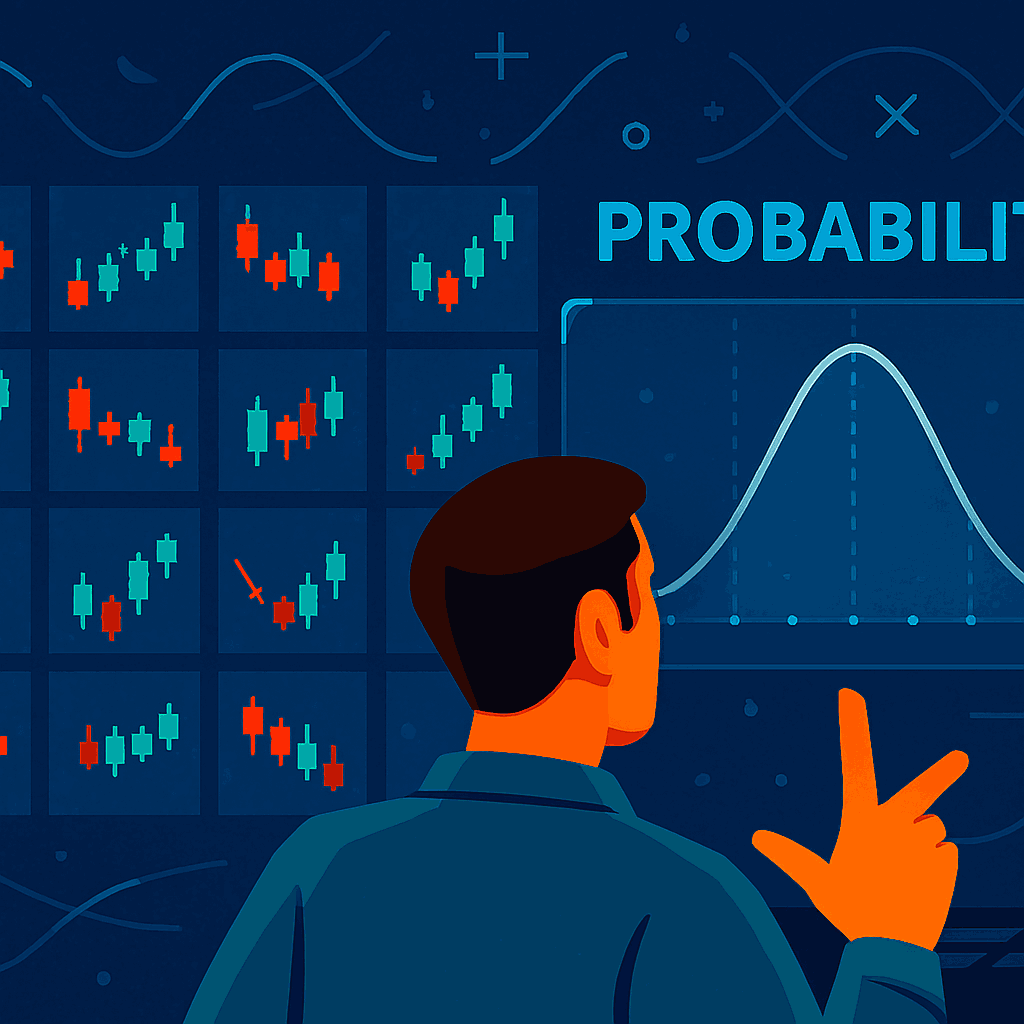
One way to overcome the fear of holding is to shift from trade-by-trade thinking to series-based thinking.
Instead of asking, “Will this one trade work?” ask:
- “If I take this same setup 20 times, where do I make the most money?”
- “Am I following my edge, or just protecting my ego?”
The goal is to stop attaching emotions to a single outcome and instead trust the long-term probability of your system.
🧠 Practical Tips to Hold Longer (Without the Stress)
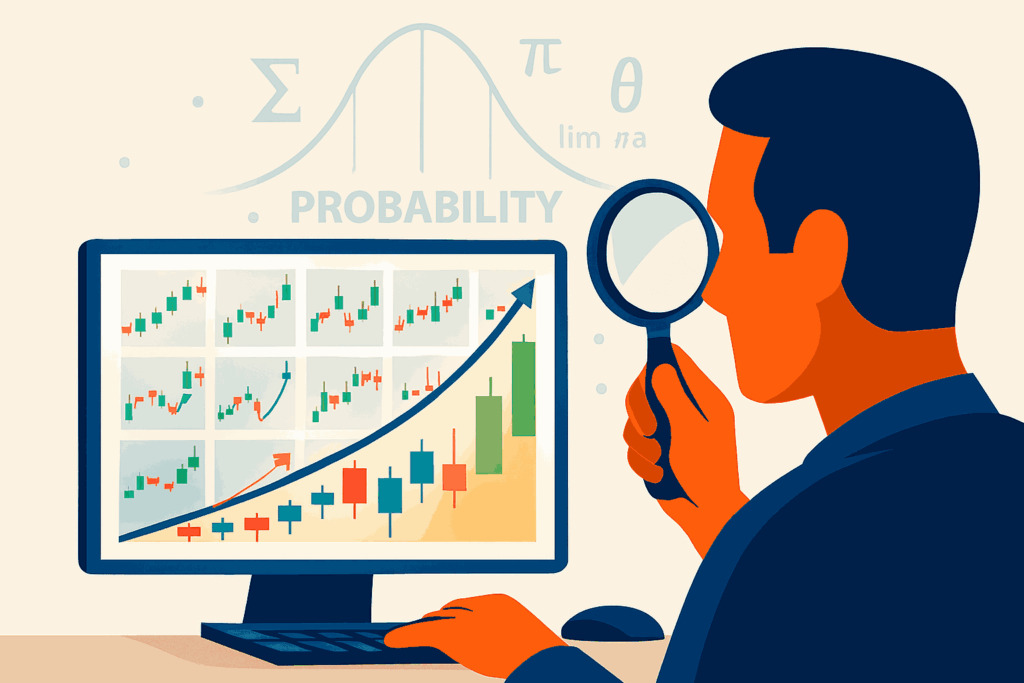
- Set partial take-profits: Lock in some gains early, but let a portion run.
- Move your stop to breakeven + structure: It reduces fear without sabotaging the trade.
- Stop watching the screen constantly: Walk away and let your trade breathe.
- Journal your exits: Document why you closed early and how price behaved afterward. Patterns will emerge.
- Use alert-based exits, not emotional ones. Let structure not impulse decide.
🧘 Closing Thoughts: Trust the Work You’ve Already Done
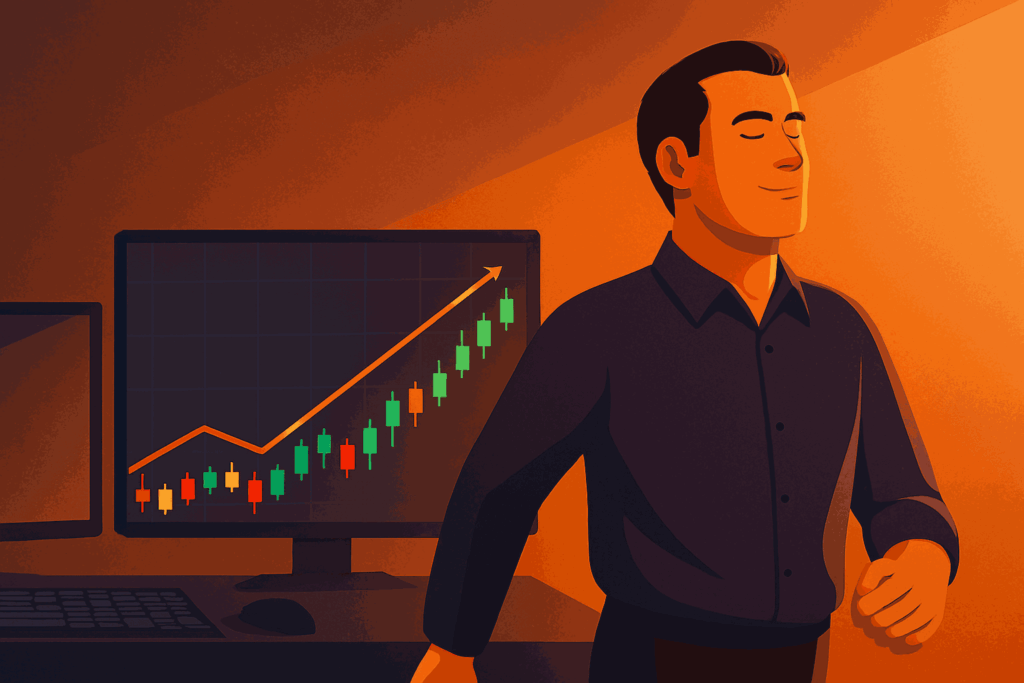
You spent time analysing, planning, and executing your trade. Don’t let panic, doubt, or emotion steal the reward that comes from doing it right.
The ability to hold your winners is what separates average traders from consistent ones. It’s not just about courage, it’s about discipline, patience, and trusting your process more than your emotions.
If you can master the psychology of letting your edge play out, you’ll not only grow your account you’ll grow your confidence as a trader.